Quince x Oven Pride
Pav Chandra, Marketing Manager, Oven Pride
Like most marketeers, I like to keep abreast of what’s happening in the industry.
But whenever I read about agency - client relationships, I’m often struck by how perfect they sound. It’s actually quite rare to read about a partnership that hasn’t worked out, or one that’s been challenging but still productive.
The truth is, relationships are not seamless, particularly in a climate of squeezed budgets, AI-driven in-housing and agency consolidation. So perhaps it’s time the industry had a more honest conversation about how brands build agency partnerships that genuinely unlock growth; especially when you don’t have large internal teams.
In 2024, I moved from Peperami/Jack Links into a private label environment at McBride, working across the Oven Pride and Surcare brands they own. That jump took me from managing an established brand, with a team I’d known for years and strong daily dialogue, to revitalising legacy brands in decline. It also meant pitching for new creative, social and research partners; addressing a challenge that, whilst not new to me, was massive change for the wider organisation because the agencies already rostered weren't up to the task and future that we were creating.
Not having a big team means I rely heavily on agency partners. They are not just suppliers; they are an extension of the in-house team, covering marketing, NPD, packaging, strategy and more. Trust and honesty are the foundation of any strong agency - client relationship; but while that sounds straightforward in theory, building real trust is complex when budgets are tight and expectations are high.
From that experience, there are a few principles I believe matter if we want agency partnerships to truly deliver in 2026.
Choose the right model for your brand - not the biggest name
You don’t always need a big agency behind you. That used to feel reassuring – like a stamp of quality. But it can also mean you end up being a small account on a very large roster; hours are counted carefully agency side, and sometimes being a small account means you’re not a priority for a team working on larger brands with bigger budgets. They also have overheads to meet and scale to maintain, alongside high staffing costs and prime location office costs.
Brands need to think deeply about what model works for them before reaching out. In my case, moving from a household name to smaller brands required a different strategy. If I had gone to a major network agency, our business may not have received the level of focus and priority needed to make the biggest impact.
Instead, working with strong boutique agencies and specialists has meant flexibility. There’s a small but powerful group in the market that deserves more attention and credit; not just the names that appear in Marketing Week regularly. The benefit of working with smaller agencies is that they tend to be more process-efficient; they adjust around us; and I’m usually working directly with decision makers day-to-day, not a CEO who flies in and out for the pitch.
A smaller organisation doesn’t mean the right specialists are out of reach. Since Covid, a newer agency model has emerged where experts are brought in on a project basis rather than kept as full-time employees, helping to reduce overall overheads while still delivering high-level expertise.
I’ve also noticed that boutique agencies tend to offer more flexible working arrangements for their teams. This allows talented professionals with families or other commitments - who are still highly skilled at what they do - to continue thriving in the marketing field, creating a more diverse, experienced, and motivated workforce.
The lesson is simple; the strength of the relationship is what furthers creativity and execution, not the size of the agency name.
Set the tone early with a fair and transparent pitch process
The pitch process sets the tone for everything that follows.
As the brand manager, you’re in control. But pitches are expensive and time-consuming for agencies. Preparing a poor brief, being too slow, pushing people to deliver too fast, and not giving feedback; this kind of behaviour will start you off on the wrong foot and won’t get the best from your agencies.
A fair pitch process requires clarity. Be explicit about the challenge. Show them what success looks like; and importantly, be upfront about the cost.
Let’s not beat around the bush; there’s only a certain amount of cash in the tank. Being vague or overly lenient about budget helps no one and simply wastes time.
If you’re asking for thinking, respect the value of that thinking; make a choice and stick with it.
Create space for challenge - and manage conflict constructively
Healthy tension is part of a strong partnership.
Consultation only works if both parties have a fair say and understand where everyone is coming from. You have to be aligned on the starting point and the end goal; creative work must deliver against clear objectives.
Early on with Surcare, there were moments where ideas across the portfolio felt slightly retrofitted. I fed this back and said I wasn’t comfortable with the direction; we discussed it properly and adjusted. Instead of panicking, I had the uncomfortable but necessary conversation and trusted the process.
Agencies should feel able to push back; and when they do, that pushback deserves proper time and consideration. If it’s opinion, you can flex. If it’s fact, that’s something different.
As a brand manager, you also have to accept that you are not always the smartest person in the room; you don’t have a monopoly on good ideas.
The real test is whether compromise strengthens the work; or dilutes it.
Focus on outcomes, not optics
Strong partnerships must ultimately translate into results.
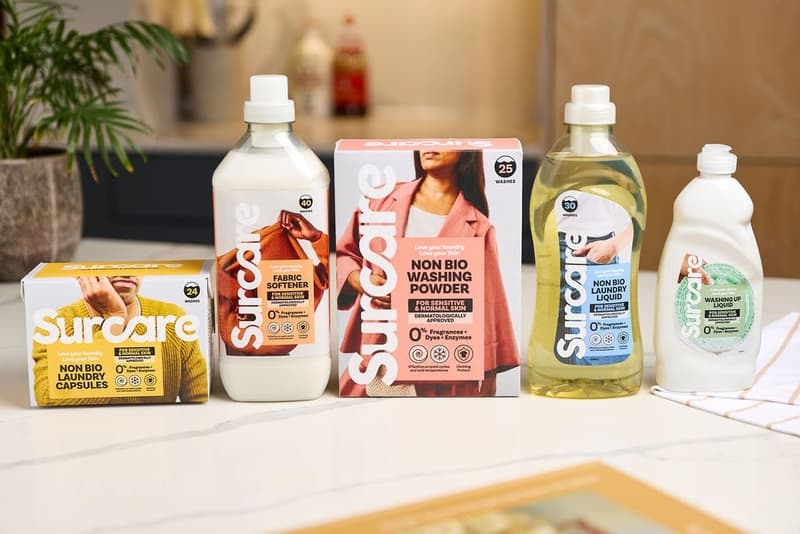
As an example, with Surcare, we recently unveiled a new packaging design and brand platform; repositioning the brand around skin sensitivity and elevating its shelf presence. The redesign was part of a broader relaunch strategy; not just aesthetic change but a shift in how the brand shows up in retail and online. That work required clear briefing, challenge on both sides and trust in the creative process.
The response from retailers has been encouraging; internal confidence has grown; and investment levels have increased significantly as a result. More importantly, the internal conversation has shifted. In a private label organisation, not every brand automatically commands attention; you have to earn it.
In 2026, agency partnerships will not be judged on how harmonious they look in the trade press; they will be judged on whether they move brands forward. Everyone should have skin in the game through shared values - be that pride, creative excellence, or just the satisfaction in getting a good job done. This isn’t about relying on reputation but living by what happened in the project before.
Whether someone personally likes the creative is less important than whether they remember it. That is the function of good marketing; and that is what strong agency partnerships should ultimately deliver.